Phone:
(701)814-6992
Physical address:
6296 Donnelly Plaza
Ratkeville, Bahamas.

Phone:
(701)814-6992
Physical address:
6296 Donnelly Plaza
Ratkeville, Bahamas.
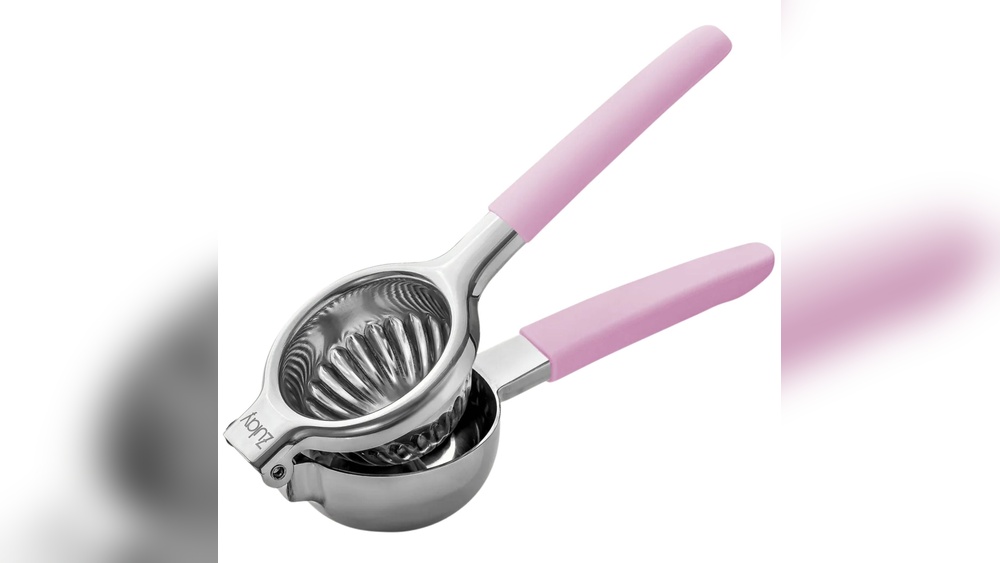
If you regularly make lemonade, cocktails, salad dressings, marinades, or fresh citrus drinks, the best lemon squeezer can save time and reduce mess in the kitchen. Instead of squeezing fruit by hand and dealing with sticky fingers, seeds, and wasted juice, a manual citrus press can extract juice quickly with much less effort.
With many similar-looking models available online, choosing the right one can be difficult. Some focus on maximum juice extraction, while others emphasize comfortable handles, easy cleaning, or extra accessories. In this Homzaa guide, we compare two popular manual citrus squeezers to help you decide which type is best for your kitchen.
A good lemon squeezer should make juicing easier without becoming another difficult kitchen tool to clean. Here are the main features to consider.
Material: Metal construction, such as aluminum or zinc alloy, generally feels sturdier than lightweight plastic and is better suited to regular use.
Handle design: A long ergonomic handle gives you more leverage, reducing the amount of force needed to squeeze lemons and limes.
Juice extraction: The best lemon squeezer should press as much juice as possible from the fruit while leaving little residue behind.
Seed filtering: Small holes in the bowl can help separate seeds and some pulp from the juice.
Cleaning: Citrus juice becomes sticky quickly, so a squeezer that can be rinsed easily or placed in the dishwasher is a practical choice.
Size: Compact manual presses take up very little storage space and do not require batteries or electricity.

The first option is a heavy-duty aluminum citrus press designed for frequent home use. It has an ergonomic handle, a food-grade coating, and a compact design measuring about 2 × 2.9 × 8.6 inches.
It is intended for lemons, limes, and small oranges. The holes in the bottom of the bowl help filter seeds and pulp, while the long handle provides extra leverage so less pressure is needed.
One of its biggest advantages is convenience. It does not require electricity or batteries, and it can be rinsed under running water or placed in a dishwasher after use.
| Feature | Heavy-Duty Citrus Press |
|---|---|
| Material | Aluminum |
| Handle | Ergonomic |
| Fruit size | Lemons, limes, small oranges |
| Seed filtering | Yes |
| Dishwasher-safe | Yes |
| Power required | None |
| Warranty | Lifetime guarantee |
This model has built a strong reputation among buyers, with a 4.7 out of 5-star rating from tens of thousands of customer ratings. It is particularly well suited to people who frequently make lemonade, cocktails, or citrus-based recipes.
Best for: Frequent kitchen use, sturdy construction, and easy cleanup.

The second option is a compact manual citrus press that also includes a stainless-steel zester. This makes it a more versatile choice for cooks who often use both citrus juice and zest.
It has a 2.76-inch round bowl designed to extract juice while reducing seeds and pulp. The long ergonomic handle and reinforced hinge are intended to provide good leverage and reduce hand strain.
Its deep bowl and optimized juice outlets are designed to keep juice contained during squeezing, helping reduce splashing. After use, the smooth surface can be rinsed quickly.
| Feature | Compact Press With Zester |
| Material | Zinc |
| Handle | Long ergonomic handle |
| Fruit size | Lemons, limes, small oranges |
| Seed filtering | Yes |
| Zester included | Yes |
| Cleaning | Easy rinse |
| Power required | None |
This model is especially attractive for people who want a citrus press and a zester in one package without spending much more.
Best for: Casual home cooks, budget-conscious buyers, and recipes that use lemon or lime zest.
| Feature | Heavy-Duty Press | Compact Press + Zester |
| Material | Aluminum | Zinc |
| Juice extraction | Excellent | Excellent |
| Ergonomic handle | Yes | Yes |
| Seed filtering | Yes | Yes |
| Dishwasher-safe | Yes | Easy rinse |
| Zester included | No | Yes |
| Warranty | Lifetime | Not specified |
| Best for | Frequent use | Everyday use |
Both models are compact, manual, and require no electricity. The main difference is that the first model focuses on durability and long-term use, while the second adds an extra kitchen accessory.
If you regularly make fresh lemonade, lime juice, cocktails, or marinades, the sturdier aluminum press is likely the better choice.
Its ergonomic handle, dishwasher-safe construction, and lifetime guarantee make it appealing for people who expect to use it frequently. It is built around simplicity and durability rather than extra accessories.
If you only squeeze citrus occasionally but also enjoy baking or cooking with lemon zest, the compact press with a zester offers good value.
The included zester means you do not need to buy a separate tool for garnishes, desserts, or recipes that call for fresh citrus peel.
One detail many buyers overlook is bowl size. Very large lemons may need to be cut into smaller pieces before placing them in the press. Checking the dimensions before buying can prevent frustration.
Even well-designed squeezers can send juice in slightly different directions depending on the fruit and angle. Holding the press directly over a measuring cup or bowl helps prevent splashes and keeps cleanup simple.
Two squeezers may look almost identical, but the length and shape of the handle can make a noticeable difference in comfort. A longer ergonomic handle usually provides better leverage and reduces hand strain.
Avoid these mistakes when choosing a citrus press:
For more helpful kitchen tools, you can also browse Homzaa’s Kitchen Gadgets Guide and Essential Home Tools.
The best lemon squeezer for everyday use is one with sturdy metal construction, an ergonomic handle, effective juice extraction, and easy cleaning. The right choice depends on whether you value durability or extra accessories.
For small amounts of citrus juice, manual squeezers are often more convenient. They require no electricity, take up little storage space, and can usually be cleaned much faster than electric juicers.
Yes. Both products discussed in this guide are designed for lemons and limes, and they can also handle small oranges.
Most manual squeezers have holes in the bowl that help keep larger seeds and some pulp out of the juice. However, very small seeds or pulp may occasionally pass through.
Yes, especially if you use it often. Being able to place the press in the dishwasher can save time and make regular use more convenient.
The best lemon squeezer is the one that fits your cooking habits. If you frequently make citrus drinks and recipes, a sturdy aluminum press with an ergonomic handle and dishwasher-safe design is an excellent long-term choice. If you want a more versatile option for occasional use, a compact citrus press with an included zester offers good value and adds another useful kitchen tool.
Before buying, consider the size of the citrus you usually squeeze, the comfort of the handle, how easy the press is to clean, and whether you will actually use any included accessories.
Prices, ratings, availability, and shipping costs can change over time, so check the latest information before making your purchase.