Phone:
(701)814-6992
Physical address:
6296 Donnelly Plaza
Ratkeville, Bahamas.

Phone:
(701)814-6992
Physical address:
6296 Donnelly Plaza
Ratkeville, Bahamas.
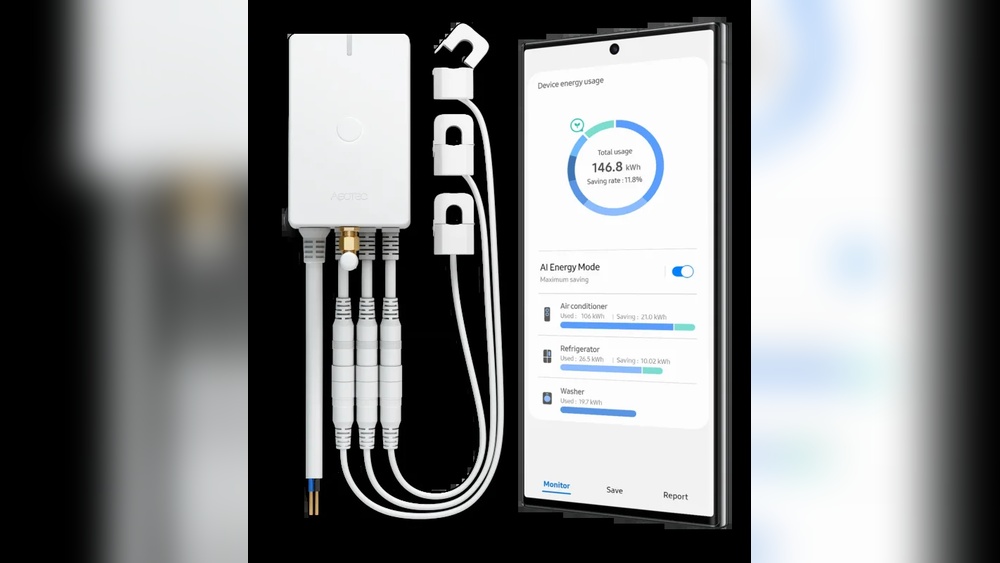
Do you want to know how much energy your home uses every day? An energy monitor helps you see this. It shows how much electricity your devices use. This helps you save money and protect the environment.
An energy monitor is a tool. It measures electricity in your home. It tells you how much power your lights, fridge, and other devices use. Some monitors show this in real time. Others keep records for you to check later.
The main job is simple. It helps you watch your energy use. When you see the numbers, you can decide what to change. For example, turning off lights when not needed.
Energy costs money. Many people do not know how much they spend. An energy monitor shows the truth. It helps you find ways to use less power. This means lower bills.
Also, using less energy is good for the Earth. It lowers pollution. It helps slow down climate change. Watching your energy use is a good habit.
Most energy monitors connect to your home’s electrical system. They measure the flow of electricity. Some plug into a wall outlet. Others connect to your circuit breaker.
The monitor reads how many watts your devices use. It shows this on a small screen or on your phone. You can see if a device uses a lot or a little power.
Some monitors give you data every minute or hour. This helps you find patterns. For example, if your heater uses more energy at night.
There are different types of energy monitors. Each has its own features.
| Type | How It Works | Best For |
|---|---|---|
| Plug-in Monitor | Plugs into an outlet; device plugs into monitor | Single devices like a fridge or TV |
| Whole-House Monitor | Connected to circuit breaker; measures all home energy | Full home energy tracking |
| Smart Monitor | Connects to Wi-Fi; shows data on phone app | People who want remote monitoring |

Credit: www.cse.org.uk
Using an energy monitor is easy. Follow these simple steps:
Once you have an energy monitor, you can start saving energy. Here are some easy tips:
Some devices use more electricity than others. Your energy monitor helps spot these easily.
| Device | Energy Use | How to Save |
|---|---|---|
| Air Conditioner | High | Use only when needed; set temperature wisely |
| Refrigerator | Medium to High | Keep door closed; clean coils regularly |
| Water Heater | High | Lower temperature; fix leaks |
| Lighting | Medium | Use LED bulbs; turn off when not in use |
| Television | Low to Medium | Turn off when not watching |
Credit: www.emporiaenergy.com
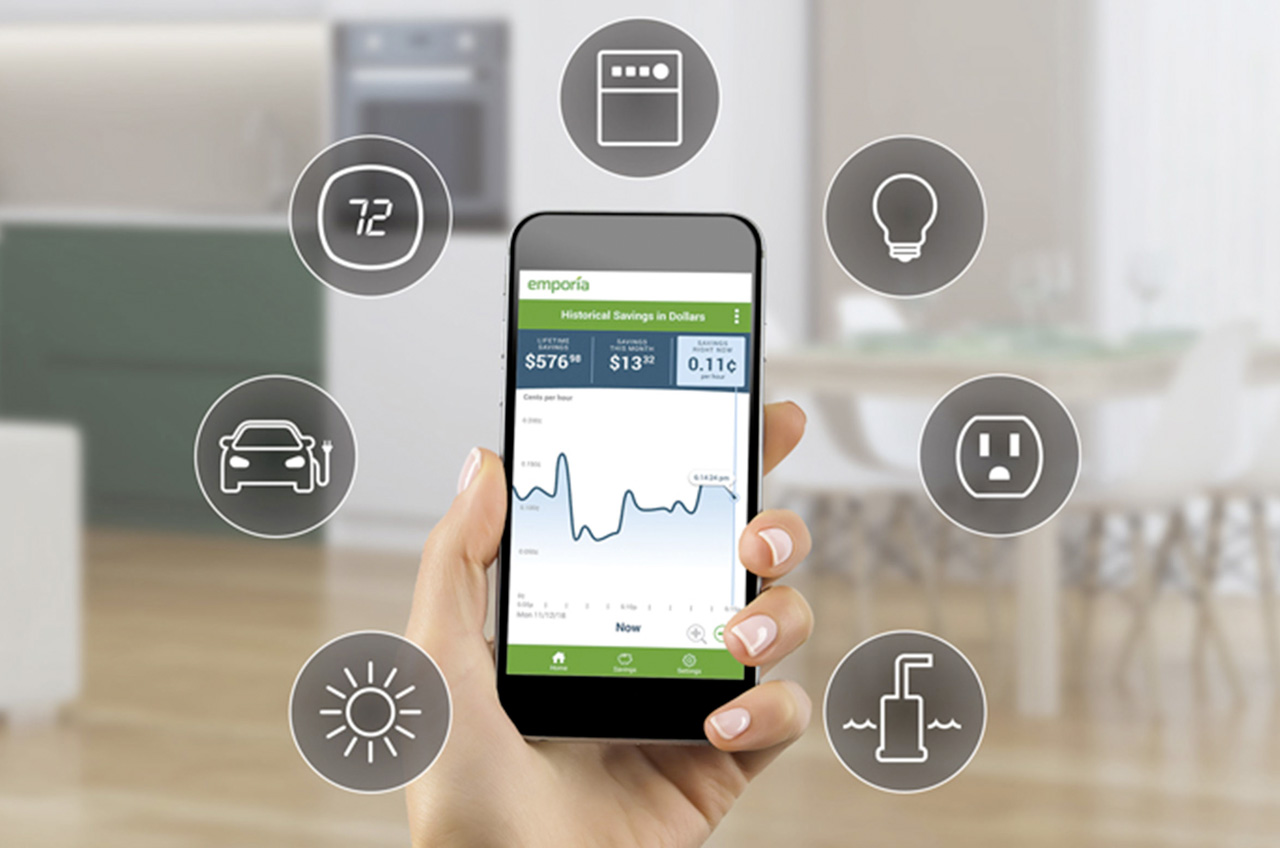
Many energy monitors work with smart home systems. They connect to phones and other devices. You can get alerts if energy use is high. Some let you control devices remotely.
This makes saving energy even easier. You can check your home’s energy use from anywhere.
Energy monitors come in many price ranges. Plug-in monitors can cost $20 to $50. Whole-house monitors usually cost more, $100 to $300 or more.
Smart monitors with apps can cost even more. Think about what you need and your budget.
An energy monitor is a simple tool. It helps you see how much electricity you use. It shows which devices use the most power. This helps you save money and energy.
Using one is easy and useful. It can make a big difference over time. You can protect the environment too. If you want to save money and energy, try an energy monitor.
An energy monitor tracks electricity use in real time. It shows how much power each device or appliance uses. This helps you see where to save energy and money.
Using an energy monitor helps reduce your electricity bills. It shows which devices use the most power. This way, you can turn off or replace them to save energy.
Yes, energy monitors help you use less electricity. Less energy means fewer harmful gases released into the air. This helps protect the environment and fight climate change.
Most energy monitors are simple to install and use. They often plug into your outlet or connect to your meter. The data is shown on a screen or app for easy reading.
Energy monitors can work well with solar power systems. They track energy produced and used in your home. This helps you manage power better and save more money.