Phone:
(701)814-6992
Physical address:
6296 Donnelly Plaza
Ratkeville, Bahamas.

Phone:
(701)814-6992
Physical address:
6296 Donnelly Plaza
Ratkeville, Bahamas.
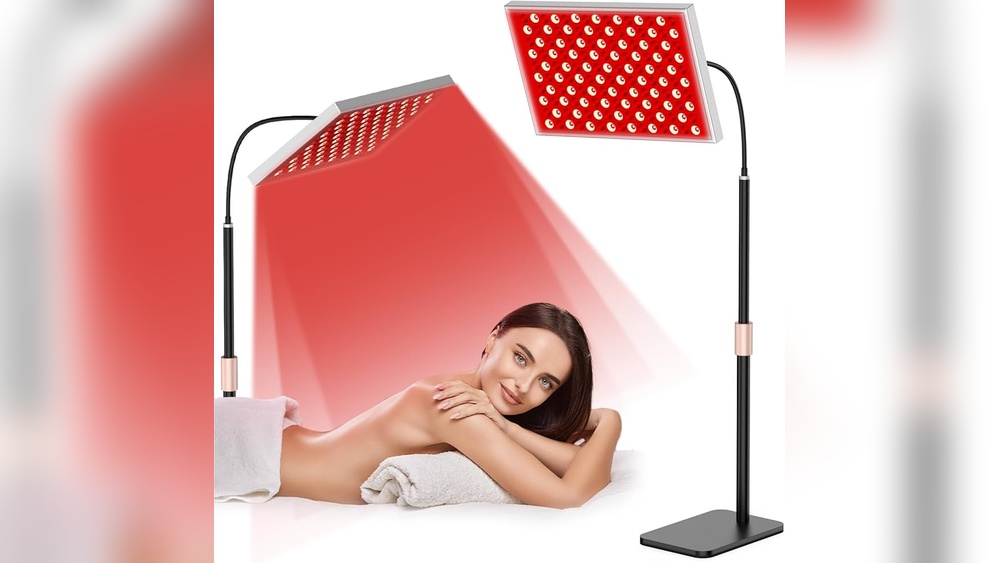
Red light therapy is becoming a popular choice for people looking to improve their skin, relieve pain, and boost wellness from home. The red light therapy lamp offers a convenient way to bring this technology into your daily routine. With more options now available on Amazon, choosing the right lamp can feel confusing. At Homzaa, we help you understand what matters and find the best fit for your needs. Let’s explore how red light therapy works, what to look for in a lamp, and which models stand out in 2026.
Red light therapy uses low-level wavelengths of red or near-infrared light to treat the skin and body. The light penetrates the skin and is believed to help cells repair and regenerate. Research shows it may:
Most home lamps use LEDs to deliver red light (around 630-660nm) and near-infrared light (810-850nm). This combination targets both surface and deeper tissues.
People use red light therapy lamps for several reasons. Some of the main benefits include:
While results vary, several clinical studies support its effectiveness for skin and pain issues. Still, red light therapy is not a cure-all. For medical conditions, always check with your doctor.

Credit: nebula-appliances.com
A lamp is an investment, so choosing wisely is important. Here are the most important factors:
Many buyers focus only on price or LED count. But other features—like wavelength accuracy—matter more. Don’t overlook user reviews, as they highlight real issues like durability and customer service.
After reviewing dozens of models, these lamps offer strong value, features, and positive feedback. Each suits different needs and budgets.
| Product | Key Features | Best For |
|---|---|---|
| Hooga HG300 | 660nm & 850nm LEDs, 300W, 60 LEDs, 10-minute timer, sturdy build | Home users wanting quality and power |
| Beurer IL50 | Infrared heat lamp, adjustable tilt, 300W, medical-grade | Pain relief for joints/muscles |
| DermaRed P600 | Large panel, 600W, 120 LEDs, combo wavelengths | Full-body treatment, families |
Features: Dual wavelengths, 10-minute timer, metal housing, easy to mount.
Pros:
Cons:
Best for: People seeking a reliable, affordable lamp for daily skin and pain therapy.
Features: Infrared heat, adjustable head, medical-grade certification.
Pros:
Cons:
Best for: Users needing targeted pain relief rather than skin benefits.
Features: Large panel, multiple wavelengths, high output.
Pros:
Cons:
Best for: Those wanting full-body treatment or group use.
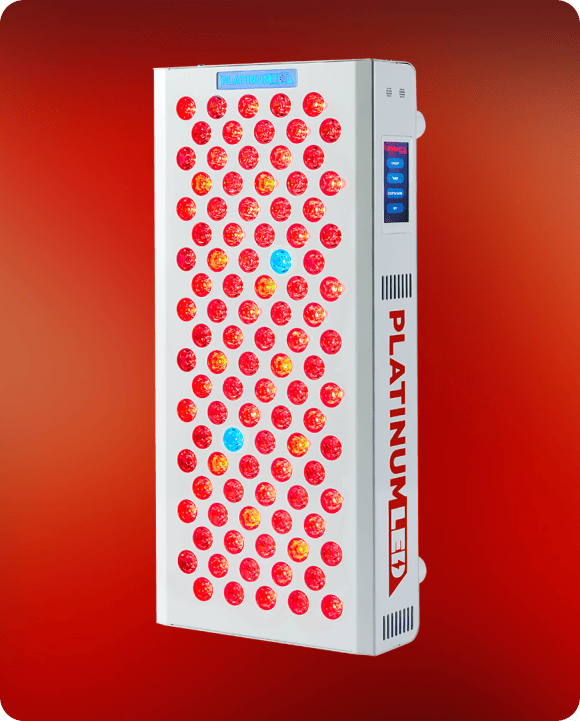
Credit: platinumtherapylights.com
To help you decide, here’s a quick comparison of these models:
| Lamp | Wavelengths | Coverage | Timer | Price Range |
|---|---|---|---|---|
| Hooga HG300 | 660nm, 850nm | Medium | Yes | $200-$250 |
| Beurer IL50 | Infrared only | Small | Yes | $100-$130 |
| DermaRed P600 | Red & NIR | Large | No | $500-$600 |
When shopping for a red light therapy lamp, keep these tips in mind:
Avoid common mistakes, such as buying cheap lamps with weak LEDs or unverified claims. Remember, more LEDs do not always mean better results. Pay attention to cooling features—overheating can shorten lamp life.
Most lamps come with simple instructions. For safe and effective use:
Results are usually visible after 2–4 weeks. Consistency matters more than session length.
| Session Time | Distance | Frequency |
|---|---|---|
| 10–20 min | 6–12 inches | 3–5 times/week |
Red light (630-660nm) treats skin surface issues, while near-infrared light (810-850nm) penetrates deeper for muscle and joint relief.
Side effects are rare. Some users feel mild warmth or temporary redness. Always follow the manufacturer’s instructions and avoid overuse.
Most users notice changes in skin or pain after 2–4 weeks of regular sessions. Effects vary by individual and condition.
Most lamps are designed for adults. Consult a doctor or vet before using on children or animals.
For detailed research and clinical studies, visit the Wikipedia page on Red Light Therapy.
A red light therapy lamp can be a smart addition to your home wellness routine. By focusing on the right features, safety, and real user feedback, you can find a lamp that matches your needs and budget. Homzaa recommends looking for proven products, understanding how to use them, and starting with realistic goals. With the right lamp, better skin, pain relief, and improved energy are possible—right from your own home.

Credit: www.amazon.com