Phone:
(701)814-6992
Physical address:
6296 Donnelly Plaza
Ratkeville, Bahamas.

Phone:
(701)814-6992
Physical address:
6296 Donnelly Plaza
Ratkeville, Bahamas.
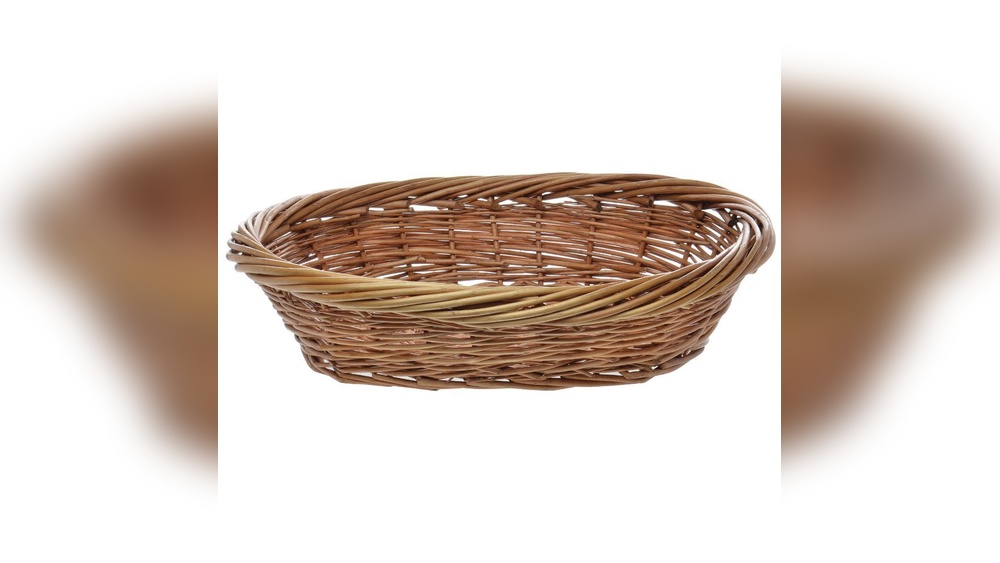
Wicker baskets are more than just storage containers; they are a blend of tradition, craftsmanship, and style. For centuries, people have used wicker baskets in homes, markets, and even gardens. Their appeal lies in their natural look, versatility, and durability. Today, wicker baskets serve many purposes—from organizing clutter to adding charm to interior decor. If you are thinking about buying or using a wicker basket, understanding their types, benefits, and care tips can help you make the best choice.
Wicker refers to a weaving technique rather than a material. Most wicker baskets are made from plant fibers like rattan, willow, bamboo, or reed. These materials are flexible yet strong, allowing craftsmen to create baskets in many shapes and sizes.
Baskets made with wicker are known for their lightweight strength. A typical wicker basket can carry heavy items without breaking but remains easy to lift and move. The weaving also lets air flow through, making them ideal for storing food or laundry.
Wicker baskets are also sustainable. Most materials are renewable, and the baskets can be recycled or composted when worn out. This makes wicker baskets a smart choice for eco-conscious homes.
You will find many types of wicker baskets in stores and online. Here are some of the most popular:
| Type | Main Use | Special Feature |
|---|---|---|
| Storage baskets | Organizing closets, shelves, and rooms | Often have lids or handles |
| Picnic baskets | Carrying food and drinks outdoors | Usually lined, may include cutlery holders |
| Laundry baskets | Holding dirty or clean clothes | Large, open top for easy loading |
| Gift baskets | Presenting gifts attractively | Decorative designs, often wrapped |
| Market baskets | Shopping or carrying produce | Sturdy, open weave for ventilation |
Each basket type serves a different purpose. For example, a picnic basket is perfect for outdoor gatherings, while a storage basket helps keep your home tidy.

Credit: www.amazon.com
Wicker baskets offer many advantages compared to plastic or metal baskets. Here are a few:
A less obvious benefit is that wicker baskets can help reduce plastic use in your home. Switching to wicker storage instead of plastic bins lowers your exposure to chemicals and supports sustainable living.
When selecting a wicker basket, several factors matter. Not all baskets are equal, and picking the wrong one can lead to disappointment.
| Factor | Why It Matters | Common Mistake |
|---|---|---|
| Material quality | Determines strength and longevity | Choosing cheap, brittle materials |
| Weave type | Affects flexibility and appearance | Ignoring weave quality—loose weave breaks easily |
| Size and shape | Must fit your intended use | Buying too small/large for the space |
| Finish | Protects against moisture and stains | Skipping protective coatings—basket wears out faster |
| Price | High price does not always mean high quality | Assuming expensive means best |
A practical tip: Always check for smooth edges and solid handles. Rough finishes or weak handles can cause discomfort or breakage.

Credit: www.thebasketcompany.com
Proper care extends the life of your wicker basket. Here’s how to keep yours looking great:
An insight many beginners miss: Wicker baskets can be refreshed with a light coat of food-grade mineral oil. This keeps fibers flexible and prevents drying out.
Wicker baskets are not just for storage—they can transform your living space. Interior designers use them to add warmth and texture. Place a wicker basket in your living room to hold magazines or blankets, or use smaller baskets in the bathroom for toiletries.
Some people even use wicker baskets as wall decor. Hanging baskets with unique patterns can create an eye-catching accent. Another trend is using baskets as plant holders, blending natural elements with greenery.
According to a 2026 survey, 68% of US households own at least one wicker basket. This shows their popularity and lasting appeal.
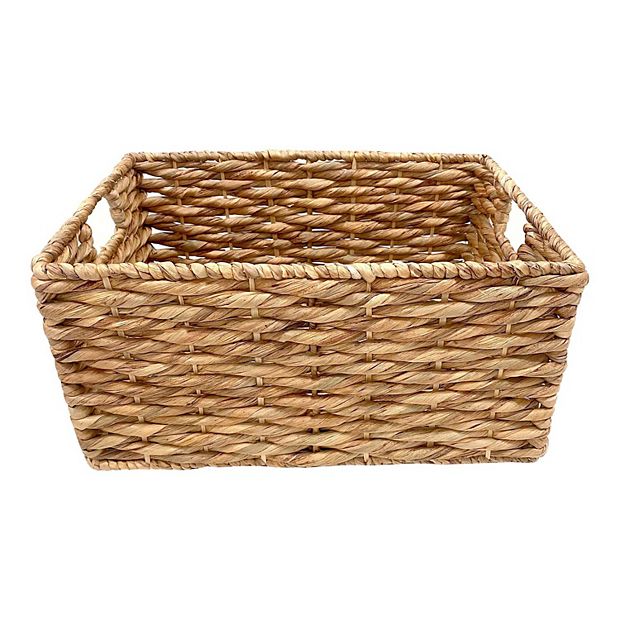
Credit: www.kohls.com
Wicker baskets are usually made from rattan, willow, bamboo, or reed. Synthetic wicker is also available but is less eco-friendly.
Yes, most wicker baskets are safe for dry food like bread or fruit. For wet or sticky items, use a basket with a liner to protect the weave.
Small breaks can be repaired with wood glue or by weaving in new fibers. For large damage, it’s best to consult a professional or find repair guides from trusted sources like WikiHow.
Yes, but choose baskets with a weather-resistant finish. Outdoor use may shorten their life, so regular care is needed.
Wicker is a weaving method, while rattan is a material. Rattan baskets are often stronger, but the terms are sometimes used interchangeably.
Wicker baskets combine tradition, beauty, and function in a way few household items can match. Whether you need stylish storage or a gift basket, they offer a smart, sustainable choice. With proper care and thoughtful selection, your wicker basket will remain useful and attractive for years.